Friday, October 7, 2016

Friday Blog #3 & #4

Week Three and Four: 9/23 - 10/7
Within these two weeks I read from pages 231 to 420 of Our Band Could Be Your Life by Michael Azerrad.


New Vocabulary

-catharsis: (259)the process of releasing, and thereby providing relief from, strong or repressed emotions.
-precipitously: (231)  very steep, happening in a very quick and sudden way, done too quickly and without enough thought or planning
-charlatans: (232) a person falsely claiming to have a special knowledge or skill; a fraud.
-syncopations: (239) a temporary displacement of the regular metrical accent in music caused typically by stressing the weak beat.
-archetype: (233) a very typical example of a certain person or thing.
-blasphemous: (238) sacrilegious against God or sacred things; profane.
-gurus: (256) an influential teacher or popular expert.
-juxtaposition: (262) the fact of two things being seen or placed close together with contrasting effect.
-galvanized: (274) shock or excite (someone), typically into taking action.
-rembrandt: (289) something dead, cool, and classic
-amicable: (310) (of relations between people) having a spirit of friendliness; without serious disagreement or rancor.
-impunity: (327) exemption from punishment or freedom from the injurious consequences of an action.
-simulacrum: (331) an image or representation of someone or something, or an unsatisfactory imitation or substitute.
-puerile: (337) childishly silly and trivial.
-laconic: (349) (of a person, speech, or style of writing) using very few words.
-introspective: (350) characterized by or given to introspection.
-bastion: (377) an institution, place, or person strongly defending or upholding particular principles, attitudes, or activities.
-bespoke: (392) (of goods, especially clothing) made to order.
-affinity: (400) a spontaneous or natural liking or sympathy for someone or something.
-wry: (416) using or expressing dry, especially mocking, humor, or (of a person's face or features) twisted into an expression of disgust, disappointment, or annoyance.
-fecklessly: (415) "ineffective," but is also used to describe someone who is irresponsible, incompetent, inept, or without purpose in life

Thursday, October 6, 2016

Analytical Blog #3


In Our Band Could Be Your Life by Michael Azerrad, there is a recurring theme of sobriety. Some bands throughout the book have not remained sober, and in some cases the abuse of alcohol, drugs, and other substances was a major factor as to why a band broke up. On the other hand, I think that many bands either succeeded or strived to remain sober and live without unnecessary distractions, as well as encourage their fans to do the same. I keep reading about the term “straight edge”. Sadly the whole concept of being straight edge at the time was considered to be “uncool” or what have you but I think one of the best parts of the indie scene is being cool was so unimportant that it was in a way, a goal to not fit in. Being a member of a band is like being a teammate on a sports team. One person could potentially bring down the entire team if there become an issue regarding lack of effort when the rest of the team is working as hard as they can reach their shared goal.

In Our Band Could Be Your Life by Michael Azerrad, there is a recurring theme of sobriety. Some bands throughout the book have not remained sober, and in some cases the abuse of alcohol, drugs, and other substances was a major factor as to why a band broke up. On the other hand, I think that many bands either succeeded or strived to remain sober and live without unnecessary distractions, as well as encourage their fans to do the same. I keep reading about the term “straight edge”. Sadly the whole concept of being straight edge at the time was considered to be “uncool” or what have you but I think one of the best parts of the indie scene is being cool was so unimportant that it was in a way, a goal to not fit in. Being a member of a band is like being a teammate on a sports team. One person could potentially bring down the entire team if there become an issue regarding lack of effort when the rest of the team is working as hard as they can reach their shared goal.

picture link

In general the bands that remained sober were a lot more influential to me personally. The stayed true to their vision and were consistent in advocating for those who didn’t have the desire to completely numb themselves to their surroundings. They stood for something real. Something unaltered and true. That is the kind of music and the kind of role models that I am happy exist. There is a lot of pressure to abuse drugs and alcohol today, probably more than there was back then. But when I, and many others, listen to “straight edge” punk music, all of that pressure feels insignificant. Listening to music from the underground indie scene in the Eighties and Nineties makes me feel like not conforming to what a majority of my social surroundings perceive as “cool”, makes me a better person and makes me proud of giving myself the opportunity to take in as many experiences as life has to offer, that others may be closed off to due to the lack of sobriety.

Screaming for a Change by Uniform Choice

Tuesday, October 4, 2016

Quote Blog #3


This week while reading Our Band Could Be Your Life, Michael Azerrad wrote about Sonic Youth, Butthole Surfers, and the beginnings of Big Black. This section of the book highlighted the struggles and the journey each band went through to achieve their goals and get to the point of success (whatever success meant to each individual band). Because they signed with independent labels and were part of the underground punk scene, it was not as easy to gather a huge following or be accepted by venues where they could potentially find financial income. Having a smaller and tighter group of people that cared about their music and shared their vision was exactly what they strived for but created financial hardships, and blurred the lines of being successful and staying loyal to their original beliefs.

picture link:


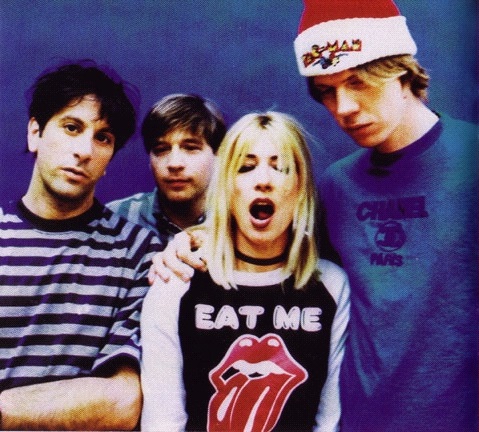
When writing about Sonic Youth, Michael Azerrad wrote, “Even their intensity functioned as a shield. ‘If you put out a certain amount of energy while you’re doing something,’ says Gordon, ‘it’s almost like a buffer so nothing else can come of it.’ Even the lyrics are guarded - often, they are opaque, even nonsensical; when they are personal, they are heavily veiled,” (259). In this quote Azerrad was explaining that sometimes punk bands, or just bands in general, (but specifically Sonic Youth in this instance), can feel uncomfortable being fully emotionally vulnerable when performing or making music. Kim Gordon, a member of Sonic Youth, was explaining that there is a lot of emotions within their music and the work she does but it feels safer to be more vague and metaphorical within lyrics and by being very aggressive and loud while performing, it helps mask vulnerability that comes from expressing one’s true emotions.

This quote is very interesting to me for a couple of reasons. While listening to music on the radio, it is common to hear the artist being very open and vocal about how they feel, like in love songs and what have you. I think that in a way this reflects the ability we as a society have generally have found to express our emotions and be okay with being open to others. I am not saying that people were not open with their feeling in the Eighties and Nineties; there were many strong opinions being shared at that time. I do believe that many people are closed off and self conscience about being themselves and voicing their true opinions. I found that the quote, although made in the Eighties by a member in a Punk band from New York City speaking about their music, it relates to the modern day youth. Translating this quote from being really loud and maybe not very open when writing lyrics to the way we work socially, I think is a huge connection. With social media and countless levels of peer pressure that we face every day, it can be hard to feel comfortable exposing your true feelings, or even your real personality. It’s a lot easier for many people to put on a front or not really say what you mean when placed in a social setting. So, I just thought it was very interesting that there is a connection between two very different groups, teens in 2016 and punks in the Eighties.